

In recent years, the realm of coffee has evolved into a complex and captivating landscape, enticing connoisseurs and occasional consumers alike. The term premium coffee has emerged as a beacon for those seeking quality and distinct flavor experiences. With its origins grounded in meticulous cultivation and thoughtful processing, such coffees offer a taste adventure that goes beyond your typical cup. For those seeking to immerse themselves in this diverse universe, comprehending the nuanced flavor profiles is crucial.
As you investigate the domain of artisan coffee, you will encounter a variety of options, from whole coffee beans to finely ground beans. The difference in flavor can often be linked to the kind of bean, the roasting method, and whether you are using coffee grinded beans or freshly ground coffee. For instance, arabica coffee are renowned for their sweet, fruit-like, and floral notes, while robusta beans offers a more earthy and harsh profile. Being aware of how to select and prepare your coffee, whether you prefer a bold espresso or a delicate pour-over, can elevate your caffeine journey to greater levels.
Understanding Specialty Coffee
Gourmet coffee is characterized by its exceptional quality and individual flavor profiles that stem from optimal growing conditions, meticulous harvesting, and exact processing. These coffee beans are often sourced from specific regions known for their distinct characteristics, such as altitude, weather, and soil composition. Elements like the type of the coffee plant and the meticulous attention given to growing also play a important role in defining gourmet coffees. This dedication to quality allows coffee lovers to savor a wide range of flavors, from citrusy and aromatic to toasty and chocolatey.
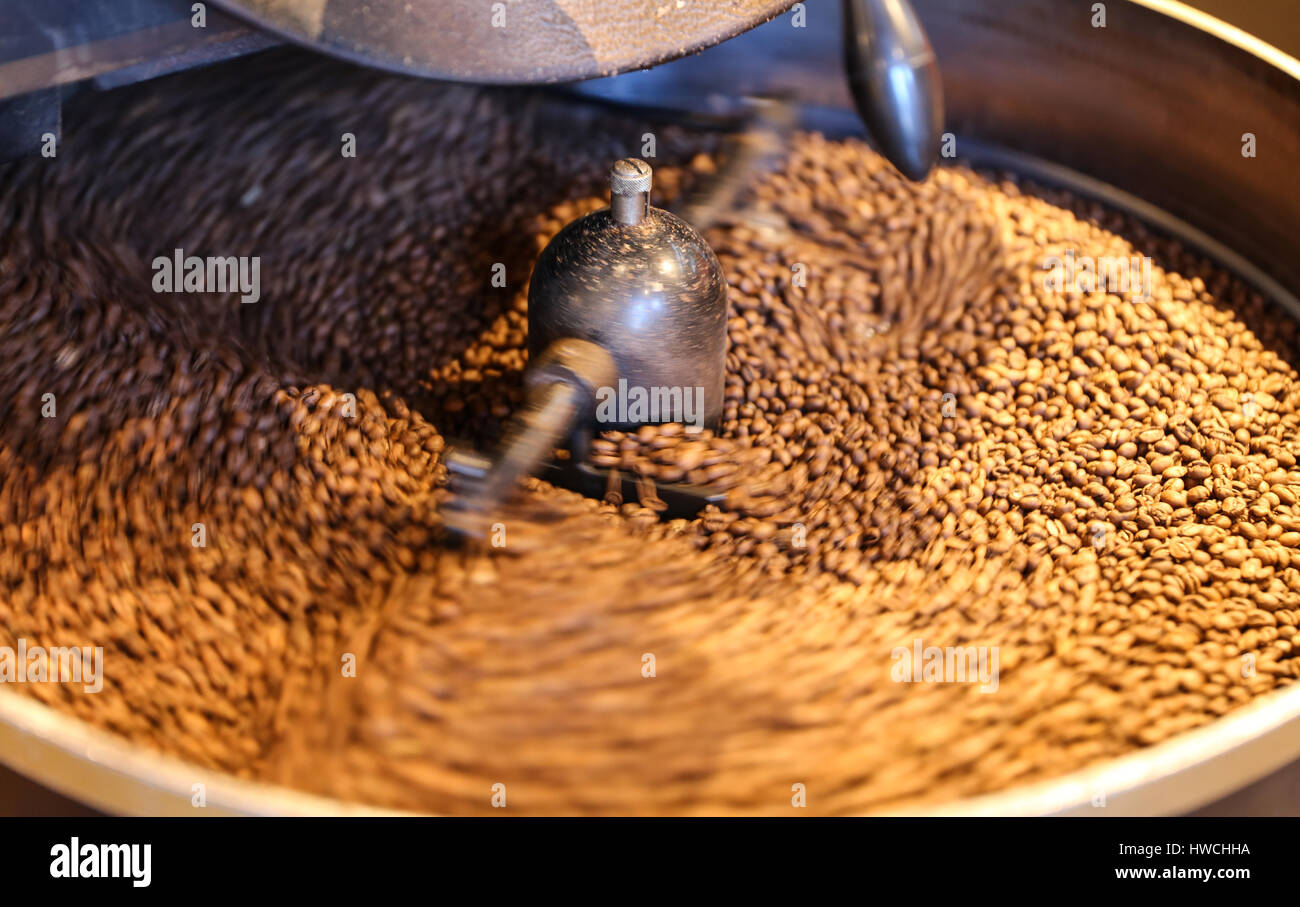
When investigating specialty coffee, it is important to realize the significance of recentness. The ideal coffee beans for milling are those that have been freshly roasted and ideally purchased in whole bean form. Whole coffee beans hold their essential oils and flavors longer than pre-ground options. Once milled, the exposure to air begins to diminish the beans' aromatic elements, so freshly milled coffee is recommended for achieving the deepest taste. Specialty roasted coffee stresses this aspect, as it is made to maintain the individual characteristics of each bean.
Moreover, the preparation techniques employed with gourmet coffee can greatly alter the final cup. For instance, espresso coffee grounds require a delicate grind to retrieve the flavors and oils properly. The ideal coffee grounds for espresso often come from high-quality arabica coffee grounds, known for their sweetness and depth. Acquiring 1kg coffee beans or 1kg ground coffee also allows enthusiasts to explore different brewing techniques while maintaining stability in flavor. Understanding the nuances of gourmet coffee can elevate the coffee drinking experience to greater levels, making it a true delight for coffee lovers.
Discovering Flavor Characteristics
Artisanal coffee presents a diverse range of flavor profiles that can entice the taste buds. Every type of coffee bean has its own features affected by elements such as origin, preparation technique, and roast level. For instance, Arabica coffee beans often exhibit bright acidity and tropical hints, while Robusta beans are earthier with a strong flavor. Grasping these profiles is crucial for anyone venturing into the world of artisan brews, as it permits for a richer tasting experience.
When tasting coffee, it's more than about the initial flavor but also the aftertaste, known as the end note. Various brewing methods can showcase various aspects of the coffee’s profile. Espresso coffee, for example, brings forth concentrated flavors that may reveal rich undertones of chocolate, brown sugar, or hazelnut. On the contrary, pour-over can create a clarified cup that emphasizes the coffee’s fruit and flower flavors. Exploring these details can lead to a deeper appreciation for the skill of preparing coffee.
To authentically experience the range of flavors that specialty roasted coffee has to offer, one should try multiple formats such as unprocessed coffee beans and ground coffee. Freshly ground coffee improves the aroma and profile, making a notable difference in the overall tasting experience. CoffeeHype if using fine espresso grounds or medium to coarse coffee for press pot, every process can unveil new layers of flavor, inviting coffee enthusiasts to discover their personal preferences in the vast world of speciality coffees.
Best Practices for Tasting
When tasting artisan coffee, it’s crucial to start with high-quality whole coffee beans. Make sure that you select the best whole bean coffee you can find, ideally from reputable roasters. Milling the coffee just before brewing to preserve its quality and flavor. Experiment with grind sizes to identify the best coffee beans for grinding, as the grind can noticeably affect the extraction and, ultimately, the flavor in your mug.
During the brewing process your coffee, pay attention of the aroma released from the coffee beans. Scents can reveal a lot about the taste profile you can look forward to. Employ clean and uncontaminated vessels to reduce any contamination that could affect the tasting experience. When tasting your coffee, take little sips and permit the liquid distribute across your tongue to detect specific flavor notes like fruity, nutty, or cocoa undertones.
In conclusion, keep notes of your tasting experiences to build a personal flavor profile for various speciality coffee beans. This will help increase your appreciation for the subtleties in taste and aroma from various beans and roasters. Over time, you will sharpen your ability to discern subtle flavors and select the best coffee grounds for your preferences, making your specialty coffee experience even more enjoyable.